A home for all my bioacoustics, rewilding and environmental projects & ideas. Some are active collaborations, some useful open-source projects, and some exist just out of curiosity.
I think it's important to understand the theory behind the ML code. I also think you gotta get your feet wet and actually see this stuff in the real world.
Deep breath, descend, go on :)
the theorythe hardwareexisting irl
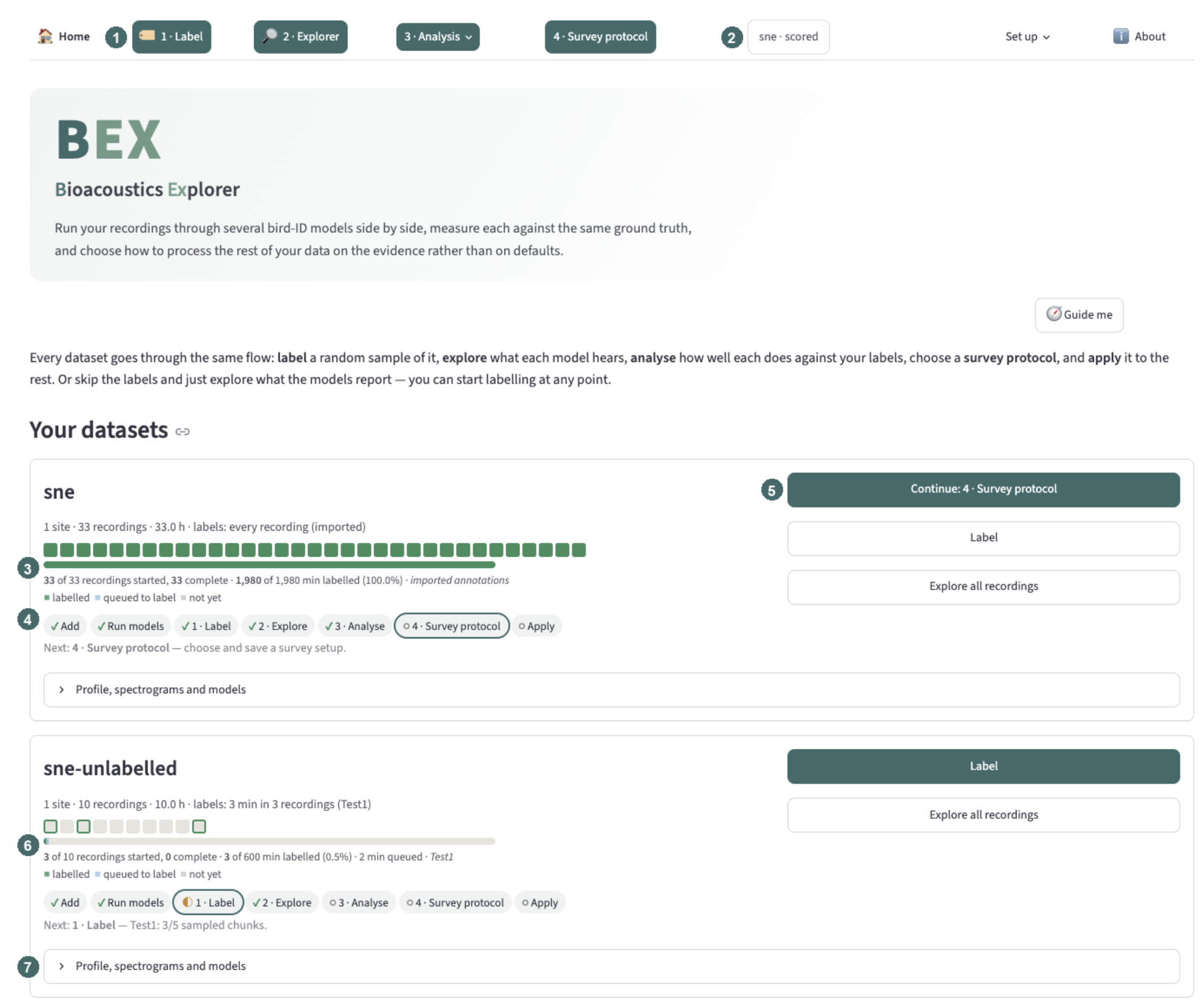
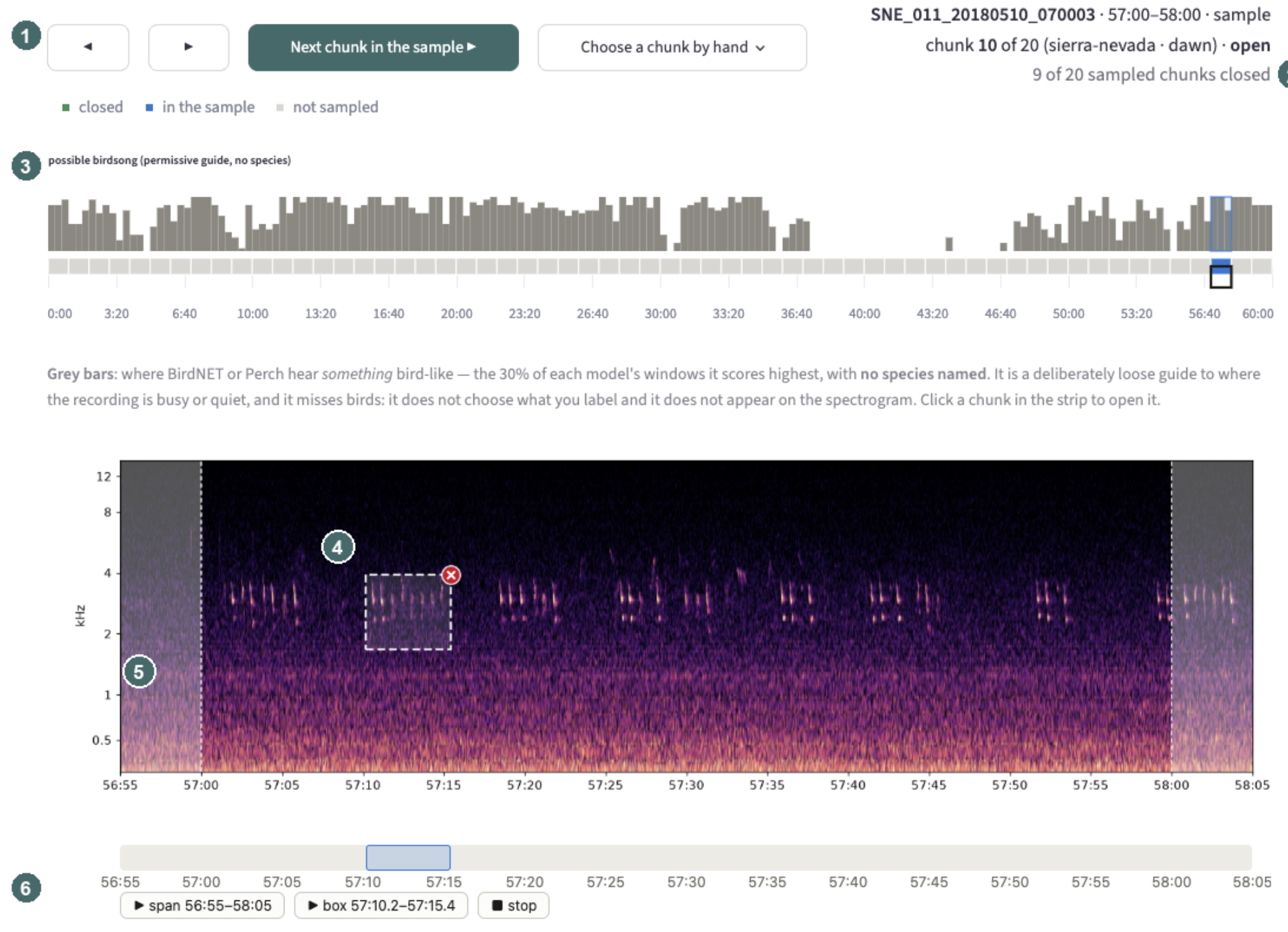
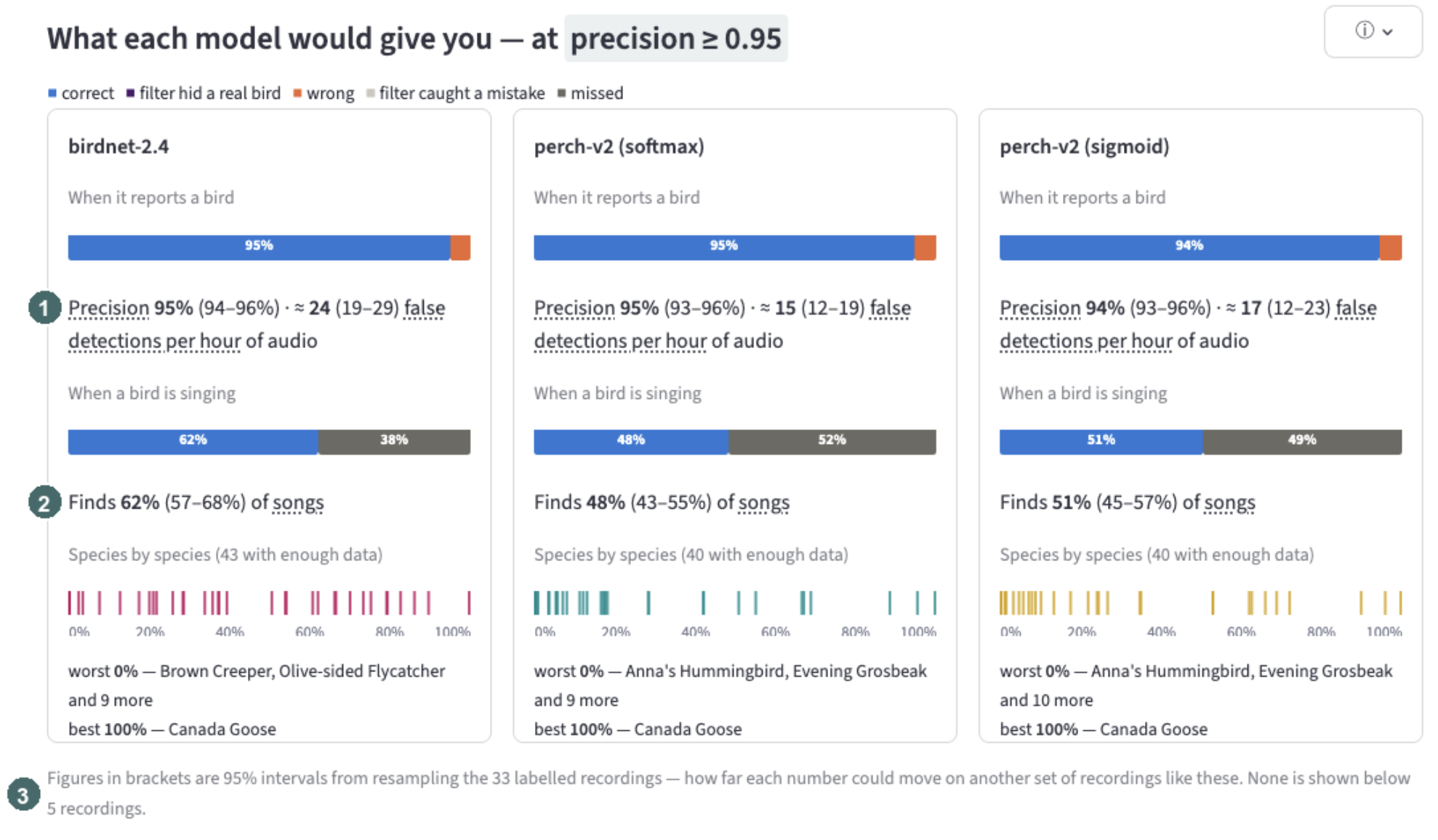
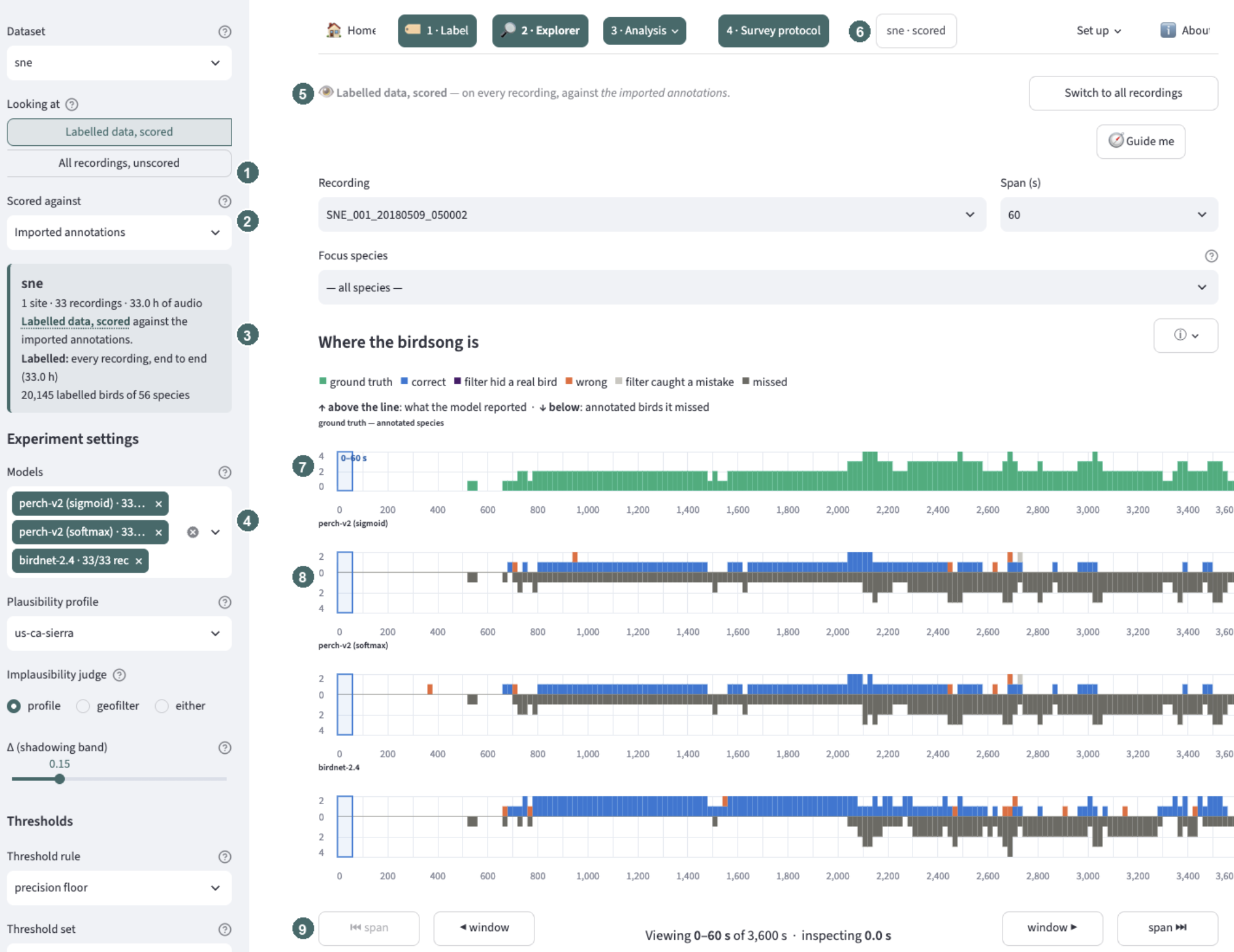
manage your bioacoustics datalabel itcompare model performance
Birdsong, whalesong and the sound of fish in a reef; we're recording it in vast amounts, and we're still working out how best to process and understand it.
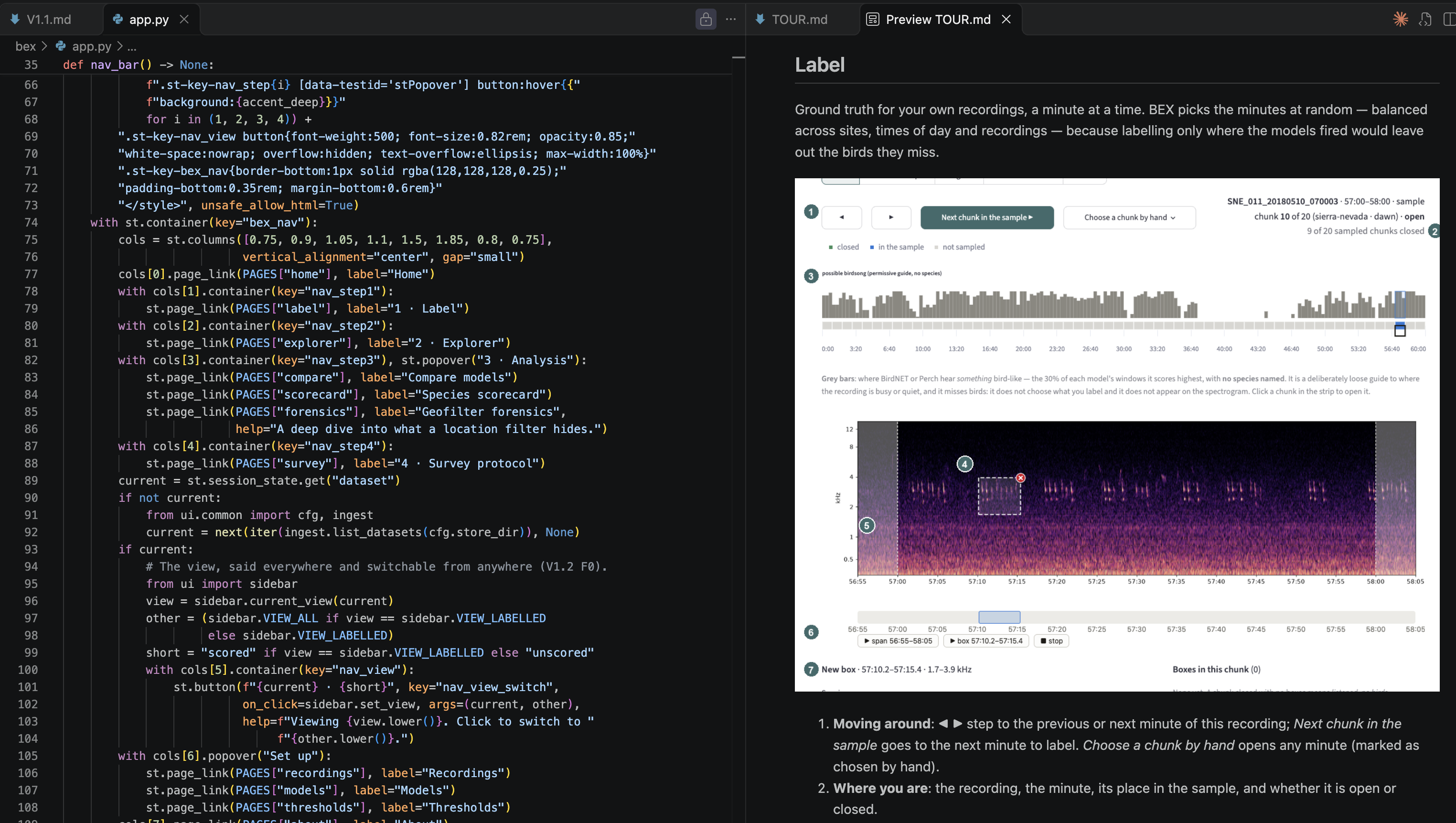
BEX is a bioacoustics toolkit for exploring, comparing and measuring what animal sound detection models find in your field recordings. It's open-source; use it to upload, label, and compare the performance of different models (from frontier ML like BirdNet, to any algo you cooked up at home) on your datasets. Take the tour via the project github.
Most acoustic monitoring uses huge numbers of small, cheap recorders, like the AudioMoth, left out on moors and in forests for months. Most of what they capture is wind, rain and silence.
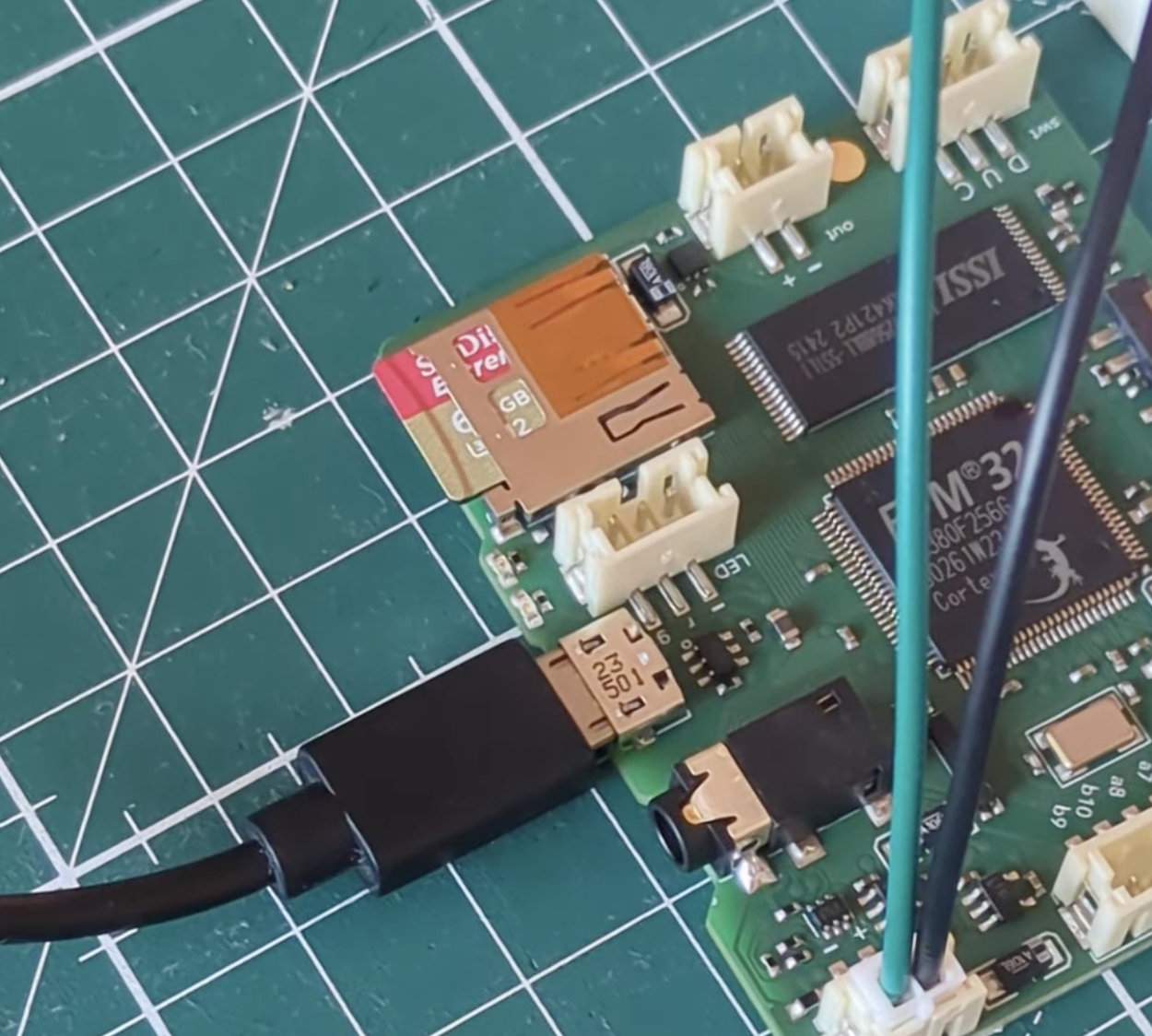
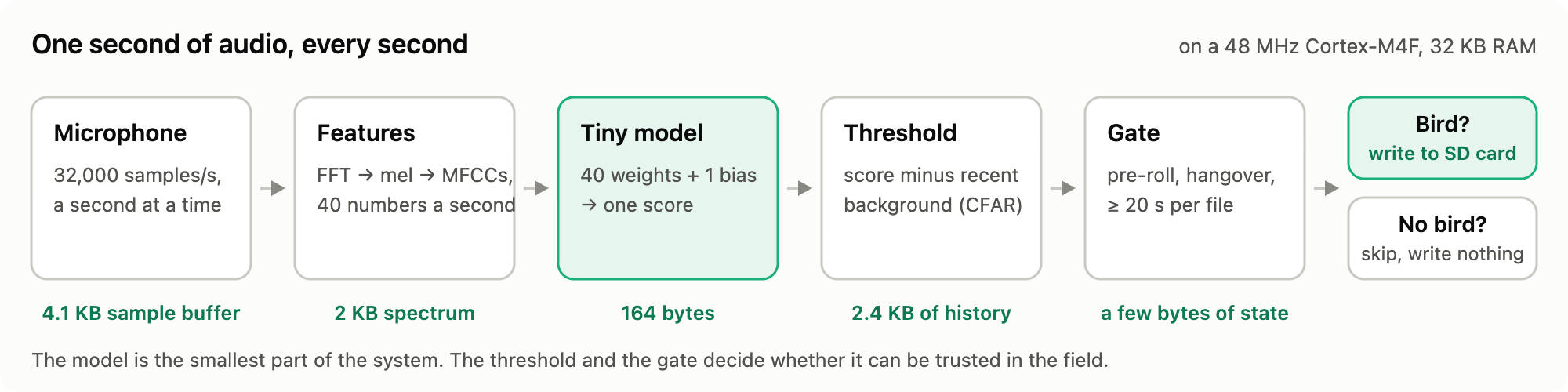
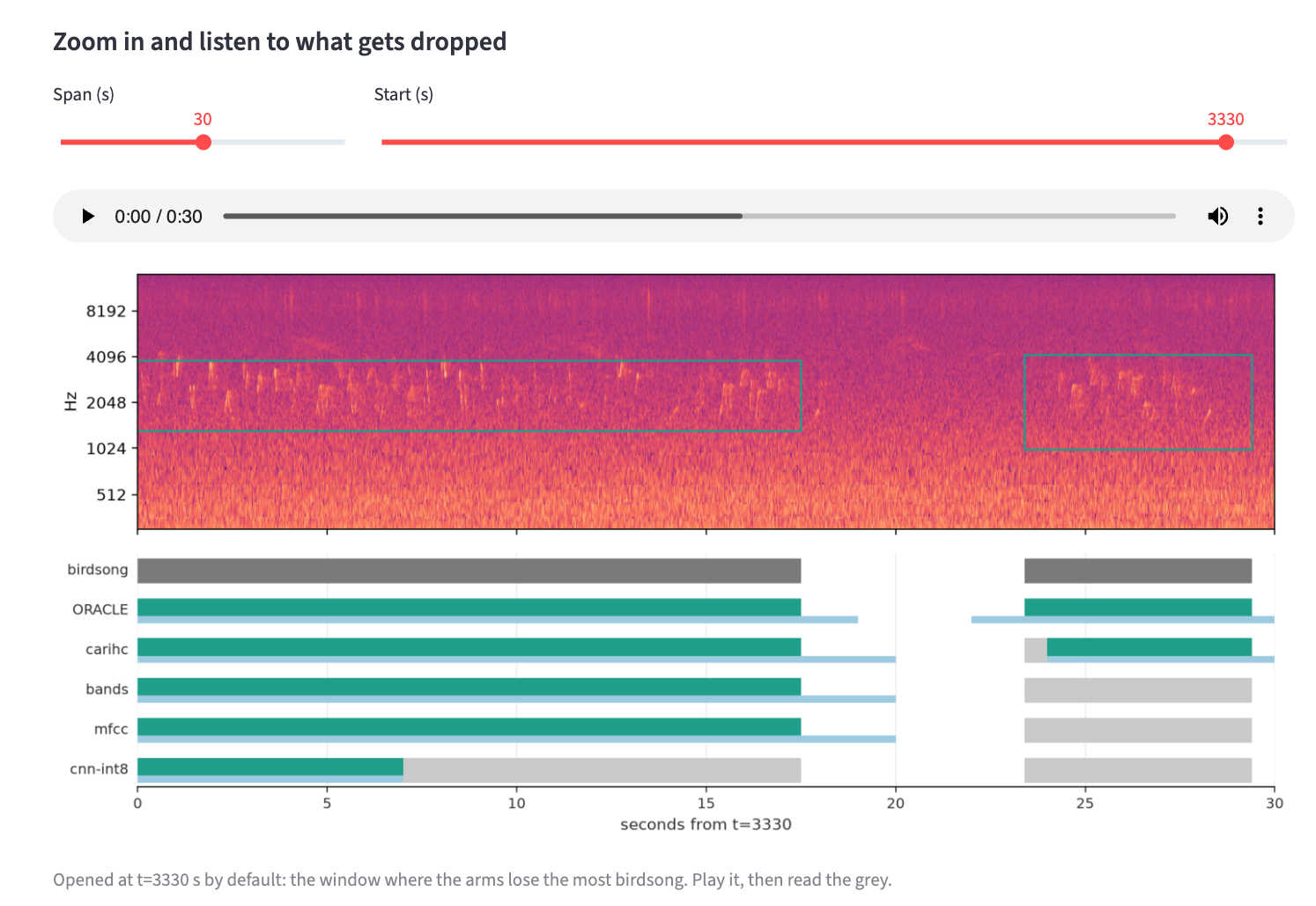
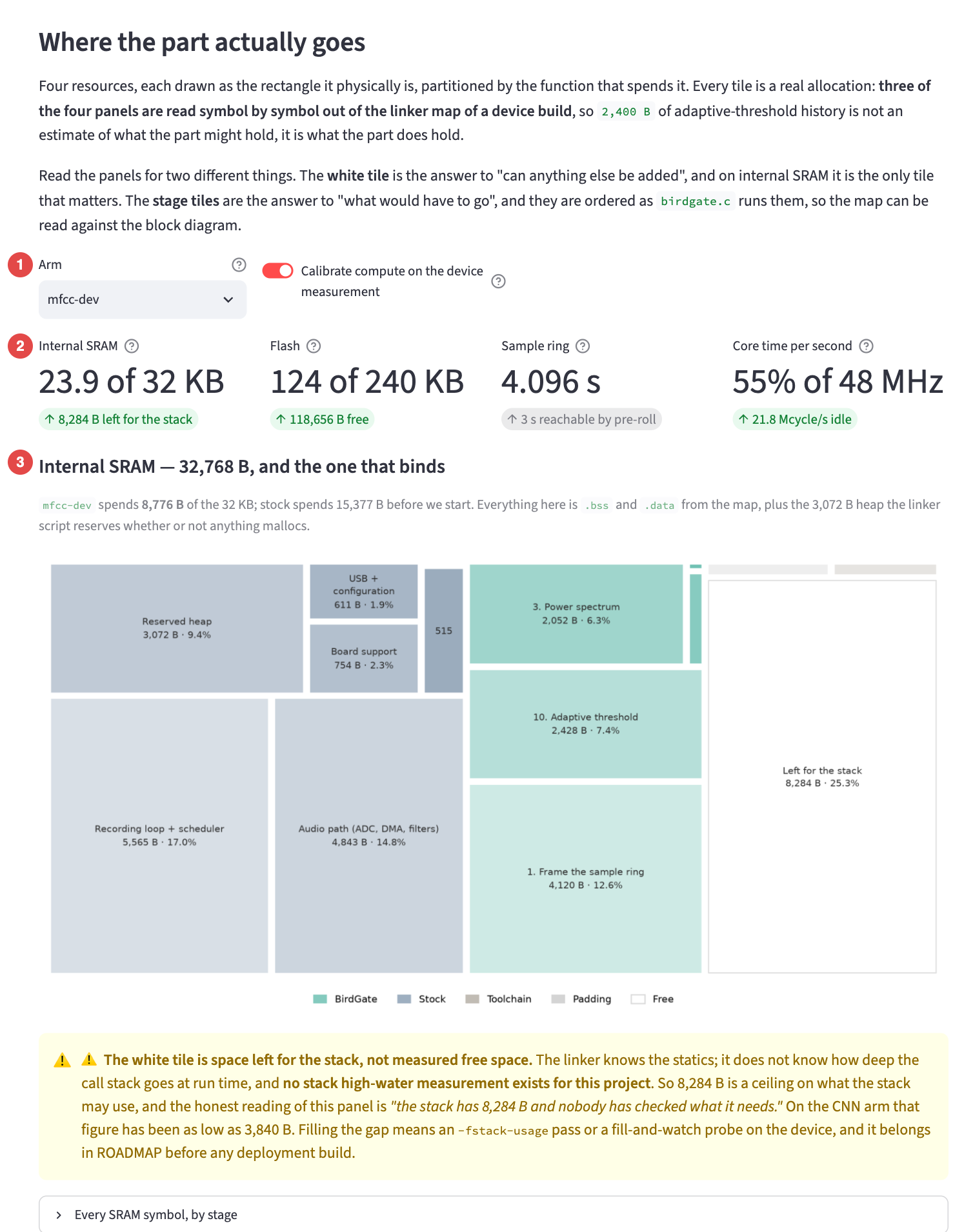
BirdGate is an effort to build and compare various algorithms or tiny ML models, small enough to run on the AudioMoth itself and decide, second to second, whether there’s birdsong worth writing to the card. This sort of insect-level intelligence is not as well-developed as the huge ML/LLM models, but has massive potential at the edge of our technology reach.
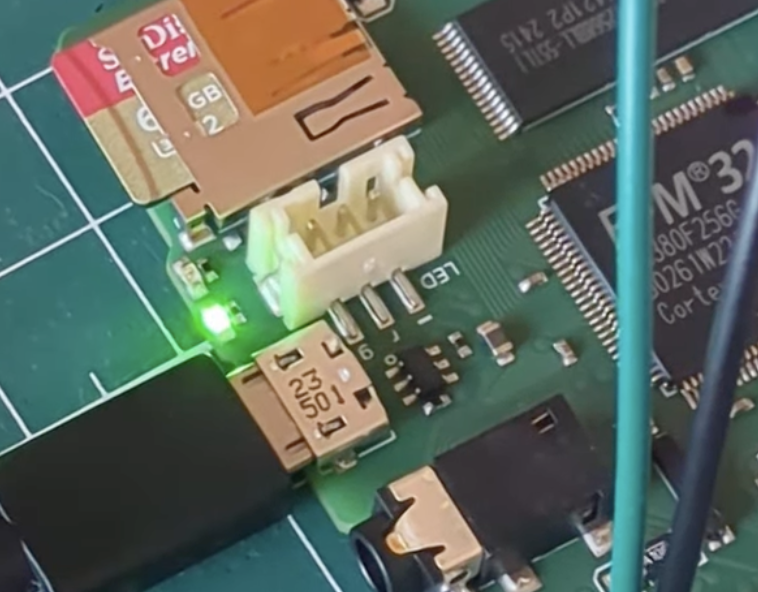
WIP; I'm still tweaking the models, and expanding the training corpus, but the custom firmware works on the AudioMoth Dev board already.
can the tiny model detect birdsong?will it fit on the chip?green light = birdsong detected
the twilight zone 200 m
More projects
Where the light starts to fade, ooh spooky. These are some weird experiments I’m building, some finished, most still growing.
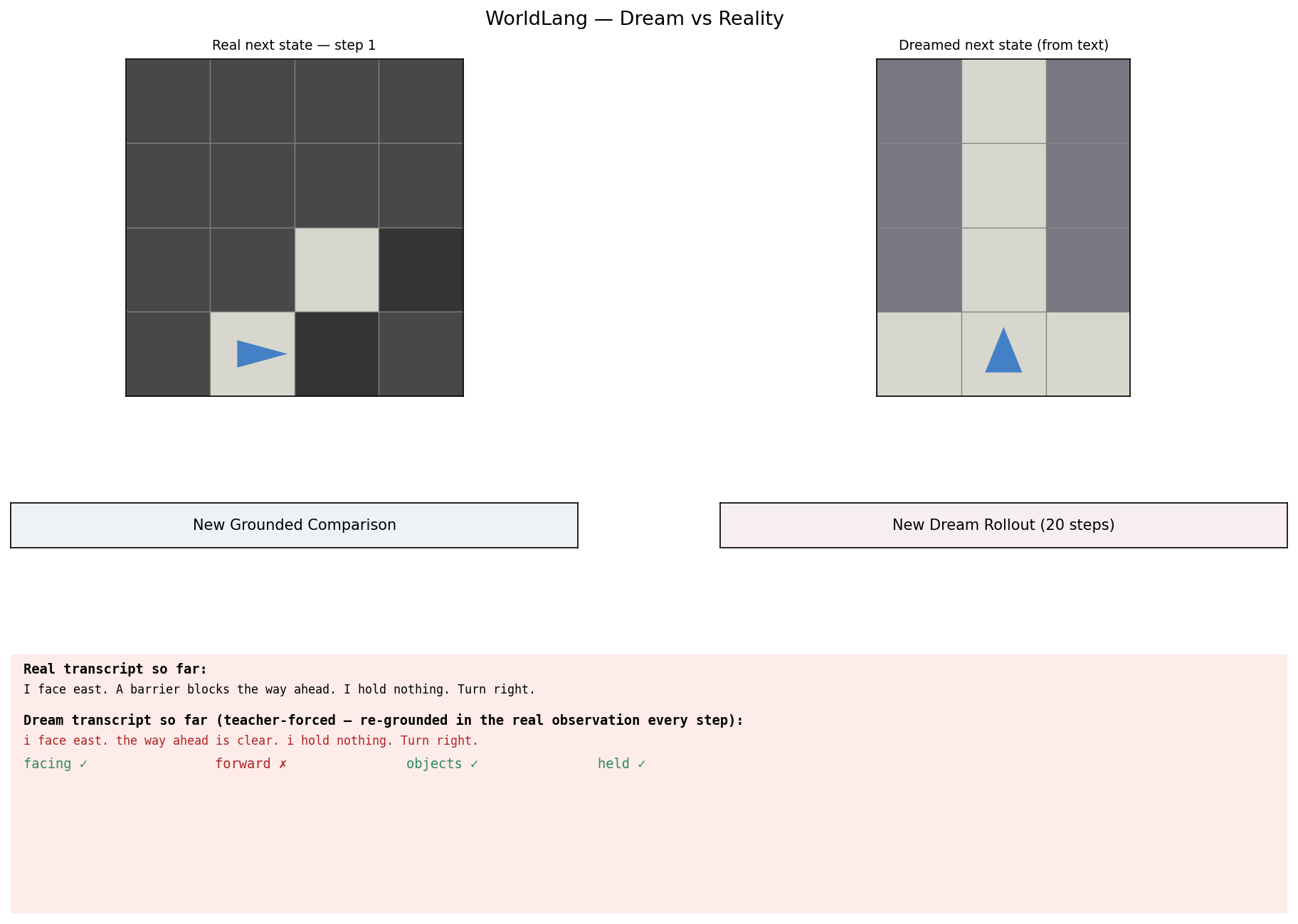
dream vs realitylearning to act from textperforms in higher-complexity worlds
WorldLang
Is language a more compressible, more extensible way to encode a world model than rules and raw perception?
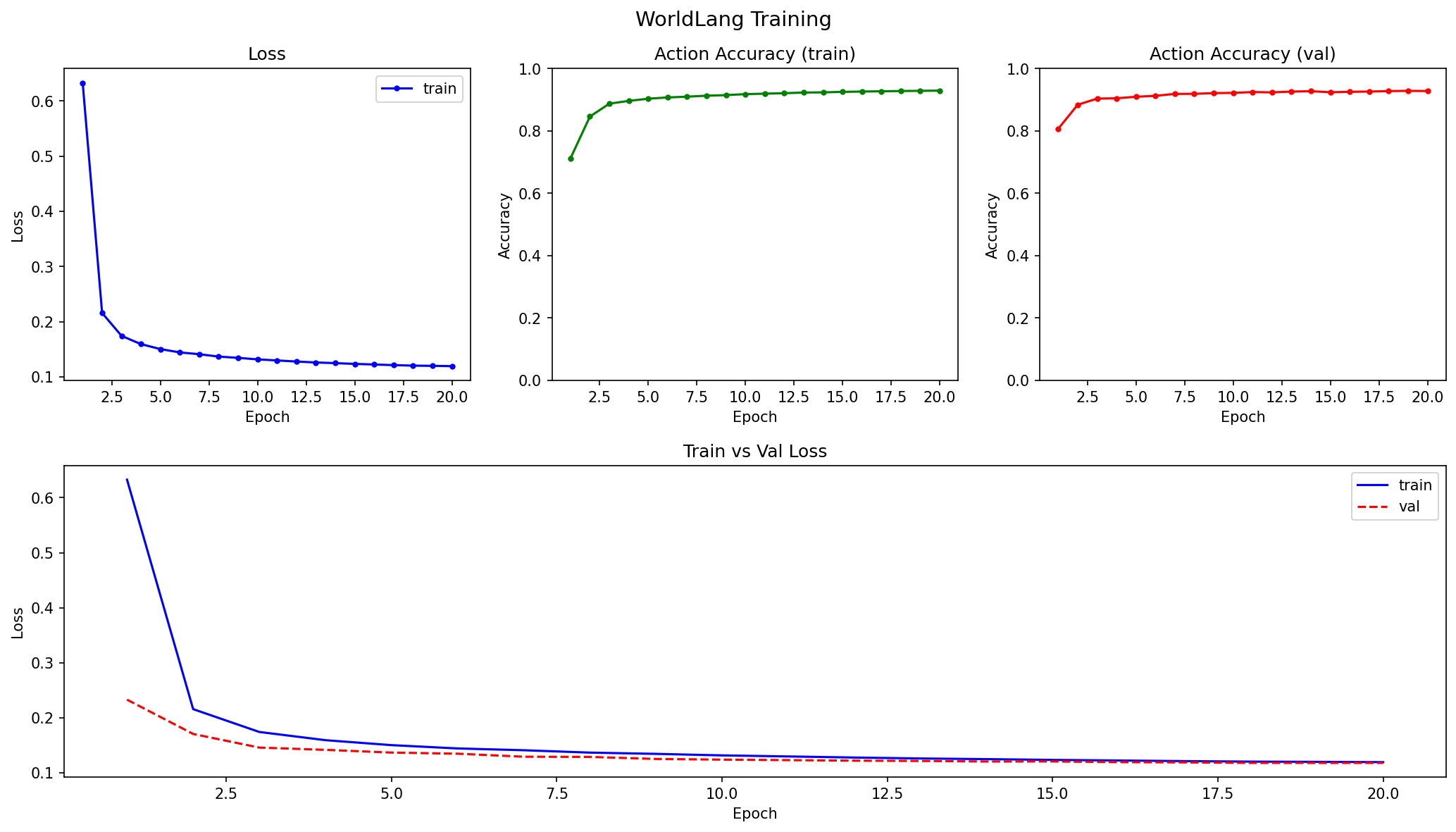
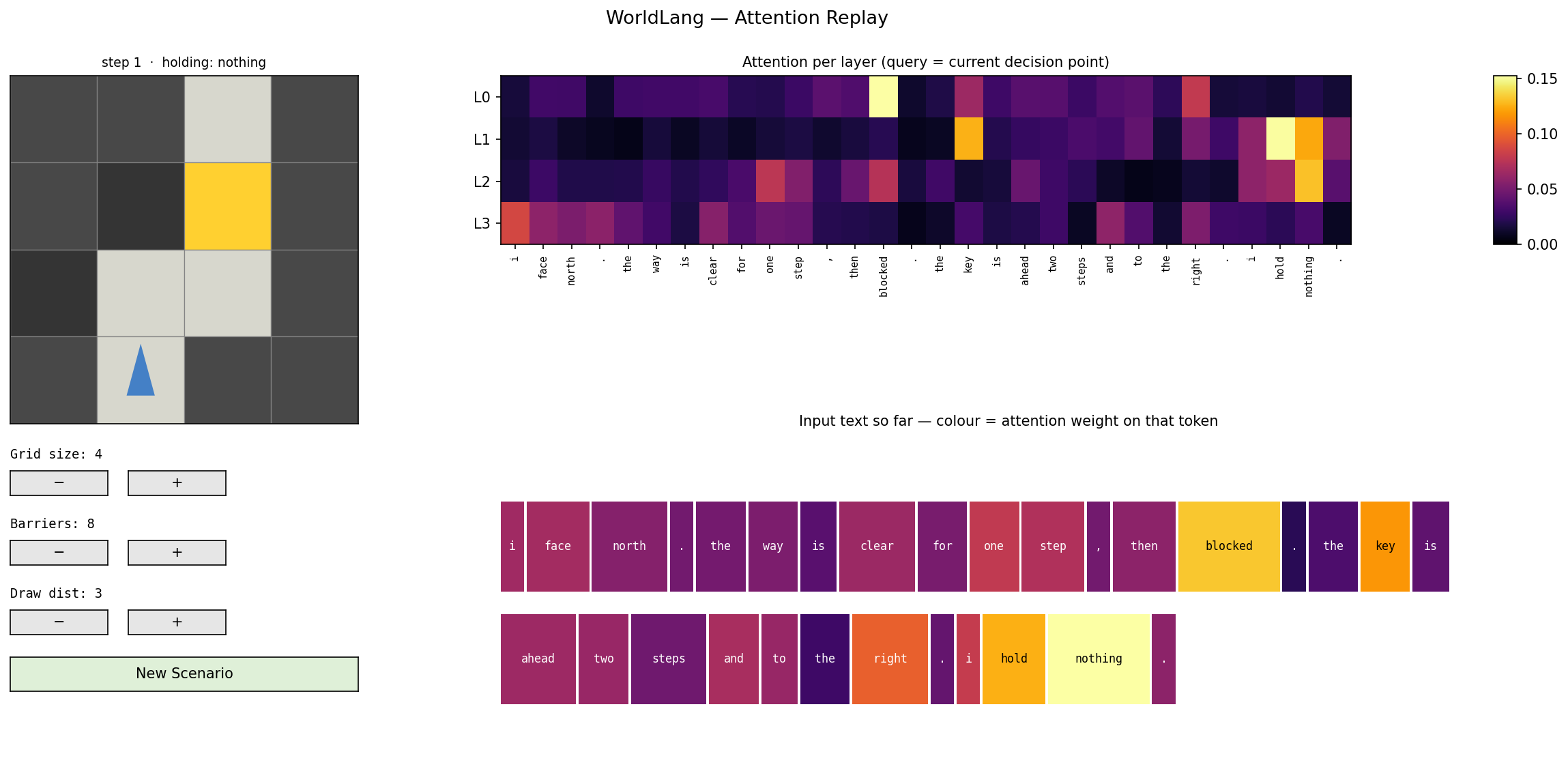
A grid world where an agent fetches a key and carries it to a chest. Instead of the usual world model approach, every step is narrated in plain sentences, like “I face east. The key is directly ahead. I hold nothing.”, followed by the action taken.
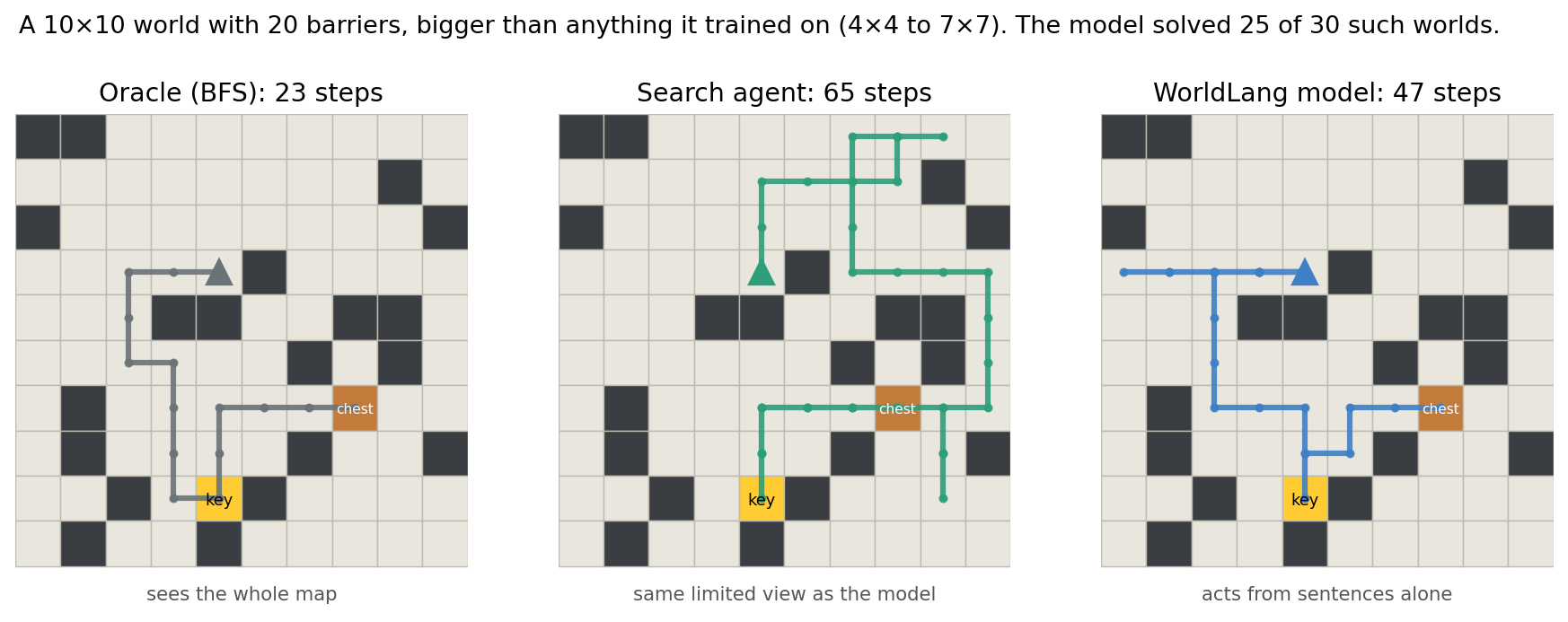
A small transformer trained from scratch on nothing but those emergent paragraphs learns to act, and can even dream the next state in words. They extend well to larger, more complex worlds, and compare decently to an optimal search algo.
I'd love to extend this in complexity - the next steps are things like testing novel objects (can it ingest a new noun and use learned action-grammar to choose actions correctly?), etc. I want to see how a language-logic world model compares to e.g. the world models built to reliably dream entire games.
Write-up coming soon
LangGen
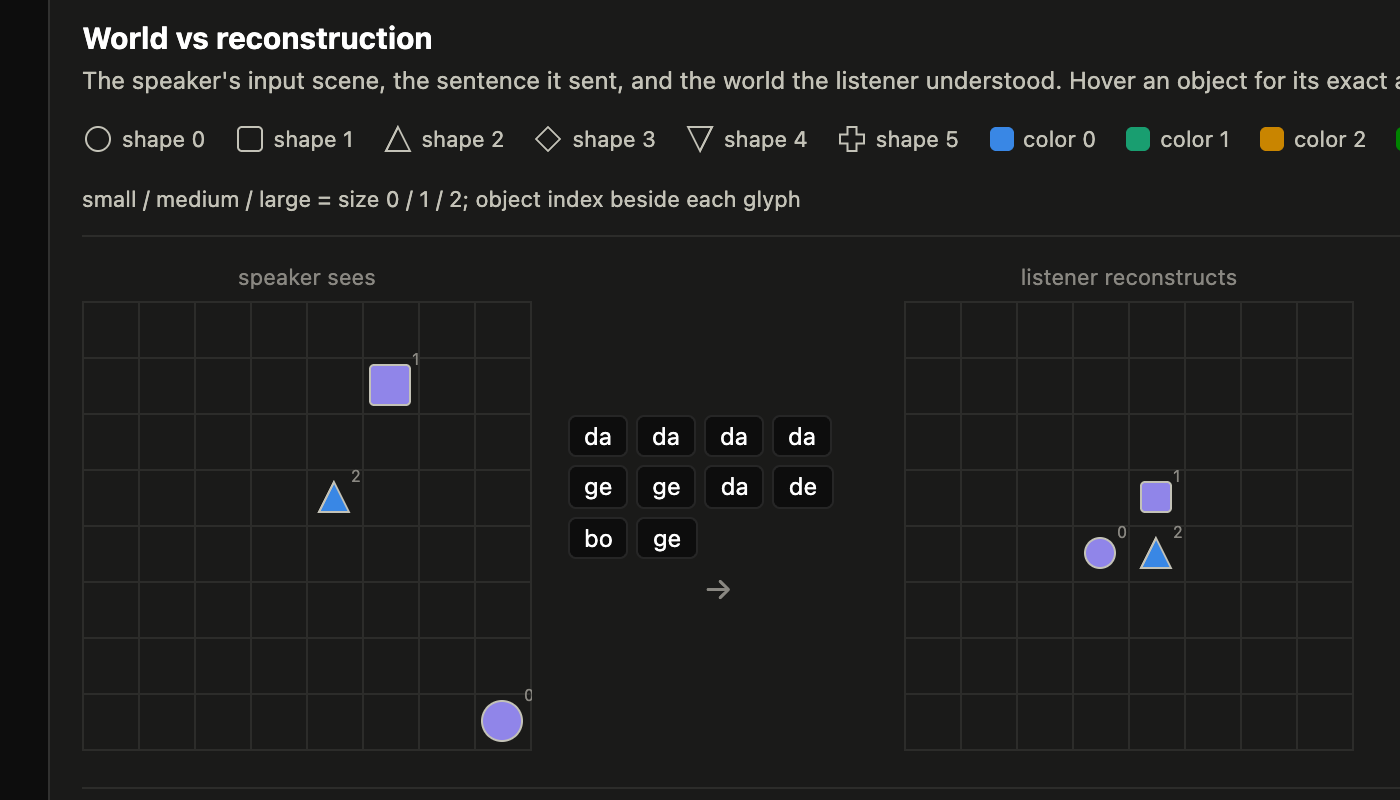
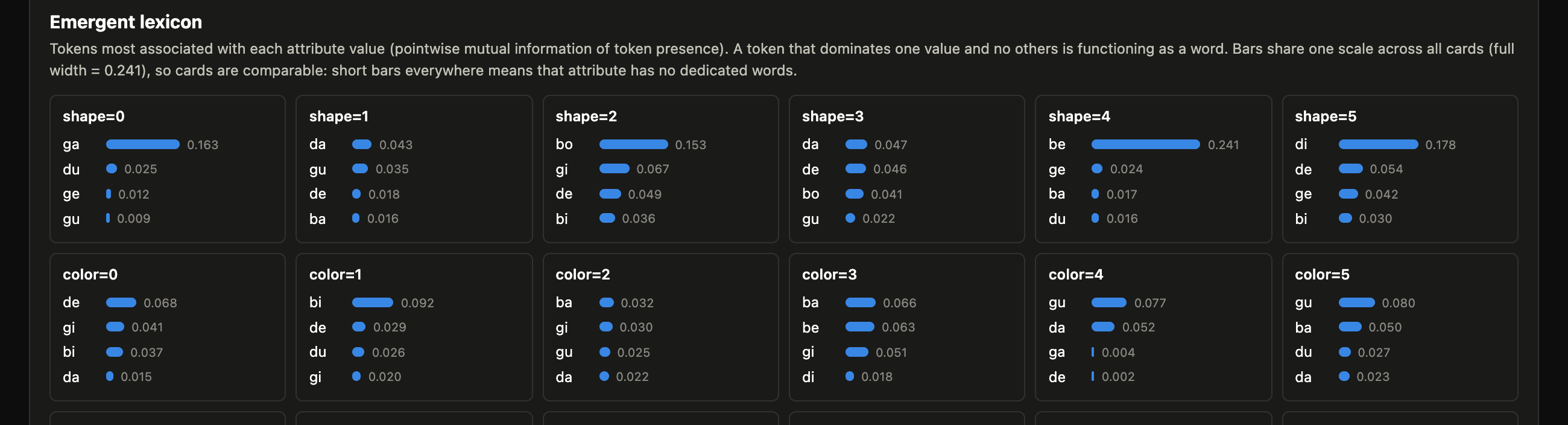
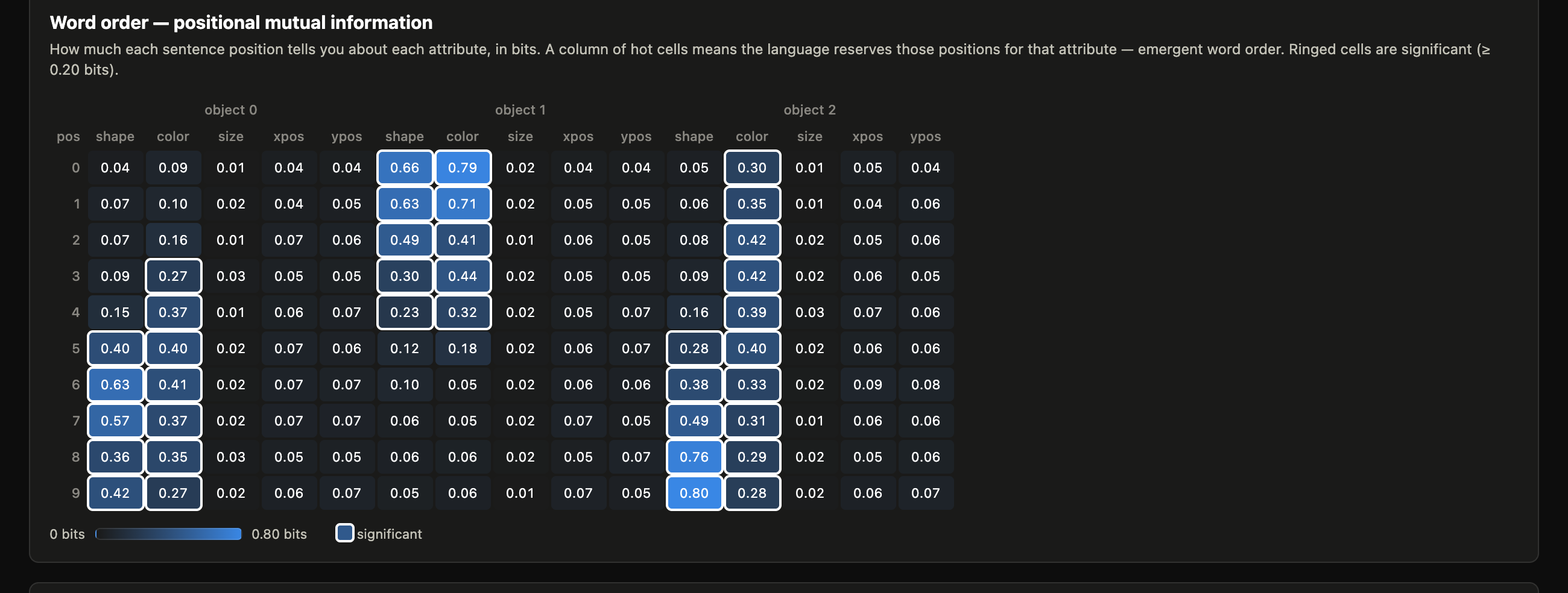
Two small neural networks collaborate to invent a language from scratch. One sees a scene of three shapes and can only describe it in a short string of made-up syllables; the other has to rebuild the scene from that message alone.
The languages collapse into silence, get stuck, or settle into something with words and word order. The best reach about 40% of a perfect code. Like most fun ideas, this one has already been done
Write-up coming soon
words emerge...and a word order
the midnight zone 1,000 m
Neurogenetic search
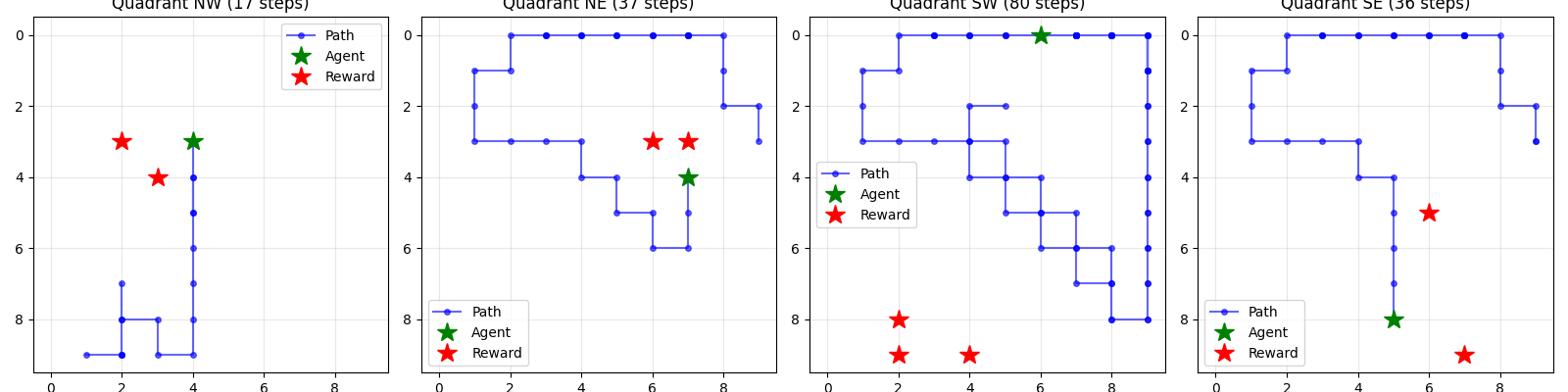
Tiny neural-network agents search a grid for hidden rewards, seeing only how far away the walls are, with a memory smaller than the world they’re exploring.
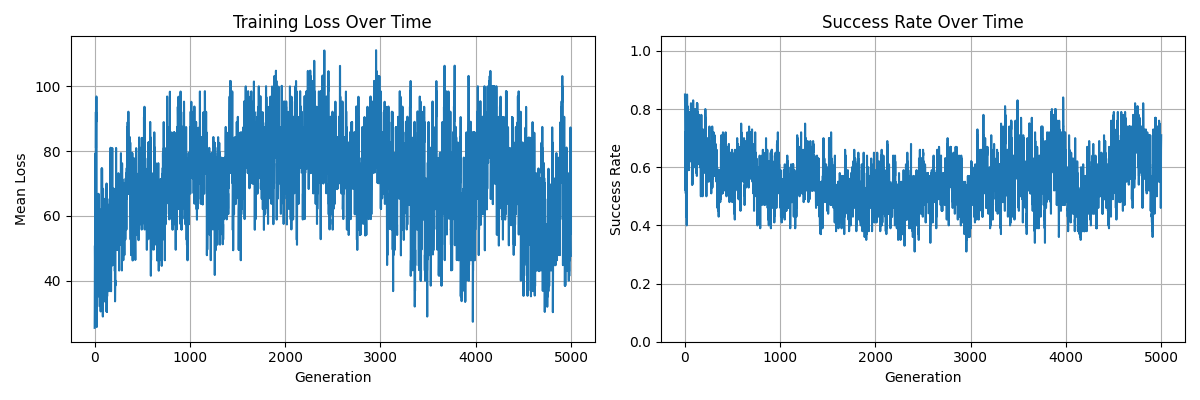
Instead of reinforcement learning, effective algorithms are bred. Each generation the best searchers survive, mix their weights and mutate, and evolution is left to find a way to explore. Budding colonies isolate, develop, and then return to war against each other.
It's not as good as gradient descent.
Write-up coming soon
5,000 generations
Hello, I’m Mara
I'm a physicist, bioengineer, ML engineer, and CEO. I'm combining deep science with roll-up-your-sleeves-and-get-shit-done in the bioacoustics, biodiversity and ecology worlds.
I'm always up for a chat with people about ideas, the natural world, projects, and stuff. Feel free to reach out!.